

What Are the Best Investment Strategies for a 23-Year-Old?

Mitch Wilder
Entrepreneur & Systems Thinker
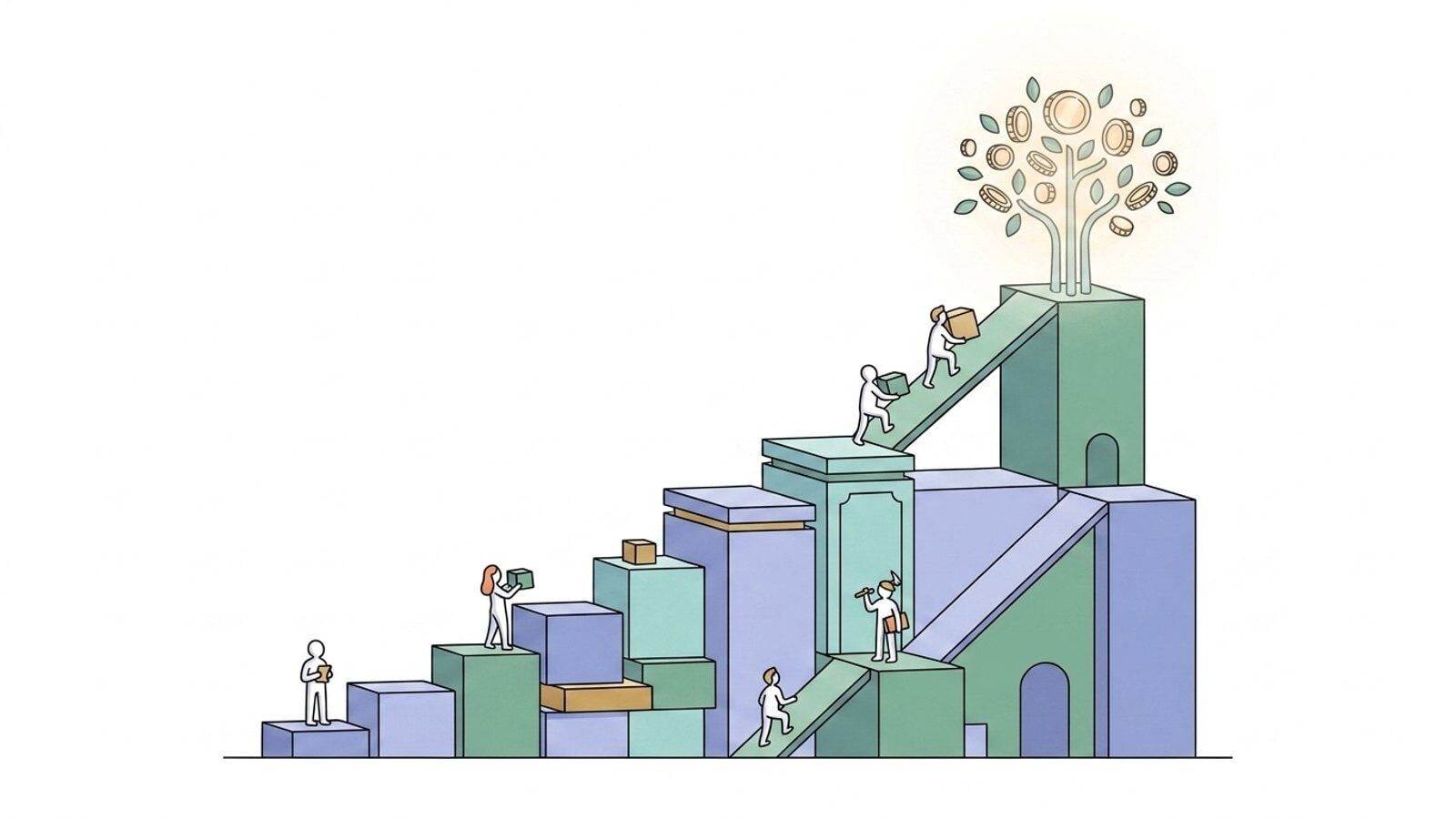
If you are earning real money for the first time, I think asking what stock to buy is too early. The better question is what system lets money compound for 30 to 40 years. This is educational information, not personalized financial, tax, or investment advice.
Quick answer
Build cash-flow awareness, emergency savings, and a plan for high-interest debt; capture an employer match; then automate diversified, low-cost investing in the accounts for which you are eligible. Keep speculation small.
Key Takeaways
- Time and consistency matter more than finding a magical asset.
- For many beginners, diversified index funds and ETFs are a practical core.
- Growing earning power can be one of the highest-return investments early in a career.
Sources to use in your research
Before selecting accounts, check current rules. The IRS publishes Roth IRA eligibility and contribution information. For debt, the CFPB’s consumer guidance on interest rates helps frame why expensive revolving balances deserve attention. The SEC’s guide to investment risk covers a baseline investing consideration.
Why starting early matters
Compounding has more time when you begin early, although returns are never guaranteed. The recurring risks I see are not starting, expensive revolving debt, lifestyle inflation, panic selling, and chasing hype.
The 10-step order of operations
- Track monthly take-home income, spending, and surplus.
- Build a starter emergency fund of one month of essential expenses.
- Pay down high-interest credit-card or payday debt.
- Contribute enough to capture the full employer 401(k) match.
- Build three to six months of essential expenses in cash; unstable income can require more.
- Open and fund a Roth IRA if eligible.
- Use low-cost broad index funds, ETFs, or a target-date fund for most of the portfolio.
- Increase contributions toward 15% to 20% of income as income grows.
- Invest in skills such as sales, communication, AI literacy, negotiation, data analysis, financial literacy, leadership, or entrepreneurship.
- Keep higher-risk opportunities controlled and separate from rent and emergency money.
Simple portfolio and account priorities
| Priority | Purpose |
|---|---|
| Checking and high-yield savings | Cash flow and emergency reserve |
| 401(k) match | Employer benefit |
| Roth IRA, if eligible | Long-term tax-advantaged investing |
| HSA, if eligible; additional retirement contributions | Tax-advantaged savings |
| Taxable brokerage, real estate, business, speculative assets | Later choices after the foundation |
A simple aggressive illustration is 70% U.S. stock index funds, 20% international stock index funds, and 10% bonds or cash, or a single target-date fund. These examples are not recommendations. A core-and-explore approach might keep 80% to 90% in core funds, 5% to 10% cash or bonds, and 0% to 10% in controlled higher-risk bets.
Common mistakes
- Waiting, ignoring a match, or investing without a cash buffer.
- Buying stocks while carrying toxic debt.
- Paying high fees without a clear benefit.
- Letting every raise become lifestyle spending.
- Treating crypto, options, or a single stock as a retirement plan.
For the broader framework, read my investment strategies for 2026 guide.
Frequently Asked Questions
What is the best investment strategy for a 23-year-old?
The best strategy is to build an emergency fund, pay off high-interest debt, get the full employer 401(k) match, open a Roth IRA if eligible, and invest consistently in low-cost index funds or ETFs.
Should a 23-year-old invest or pay off debt?
Usually both, in the right order. Pay off toxic high-interest debt aggressively, but still consider contributing enough to get an employer 401(k) match if one is available.
Should young adults invest in stocks?
Yes, but usually through diversified index funds or ETFs rather than trying to pick individual winners.
Is real estate a good investment at 23?
It can be, but only if income is stable, savings are solid, and you understand the costs. It is not automatically better than index fund investing.
Should young adults invest in crypto?
Crypto is speculative. If you choose to invest, keep it to a small percentage of your portfolio and only use money you can afford to lose.
What percentage of income should young adults save and invest?
A common target is 15% to 20% over time. If that feels too high right now, start smaller and increase as income rises.
Start with stability, automate the basics, and let time do work that excitement cannot.